
Park Ridge vs. Des Plaines: Which Suburb Actually Fits Your Day‑to‑Day Life?
Choosing between two neighboring suburbs can feel like splitting hairs until you zoom in on what life actually looks like from Monday through Sunday. Park Ridge and Des Plaines share borders, schools, and access to Chicago, yet the rhythm of each community is distinctly different. One leans a bit more toward postcard‑perfect charm and walkable village vibes, while the other offers a practical mix of value, convenience, and diversity. The right choice comes down to how you spend your time, what you want outside your front door, and how you see your life evolving over the next five to ten years.
With both suburbs offering easy access to O'Hare International Airport and the city, the real question isn't which one is "better" overall—it's which one is better for you. Are you picturing Saturday mornings strolling to a local coffee spot near a leafy residential street, or would you rather have a wider variety of housing options, bigger bang for your buck, and quick access to major roadways? Looking closely at lifestyle, amenities, schools, and real estate realities will help you see where your daily routine would feel most natural.
As a full‑time RE/MAX All Star agent focused on buyers and sellers on Chicago's Northwest Side and nearby suburbs, I've watched many clients wrestle with precisely this decision. The good news: both Park Ridge and Des Plaines are solid choices. The better news: once you understand their personalities, one usually starts to stand out as the obvious fit.
Everyday Lifestyle: Village Charm vs. Practical Convenience
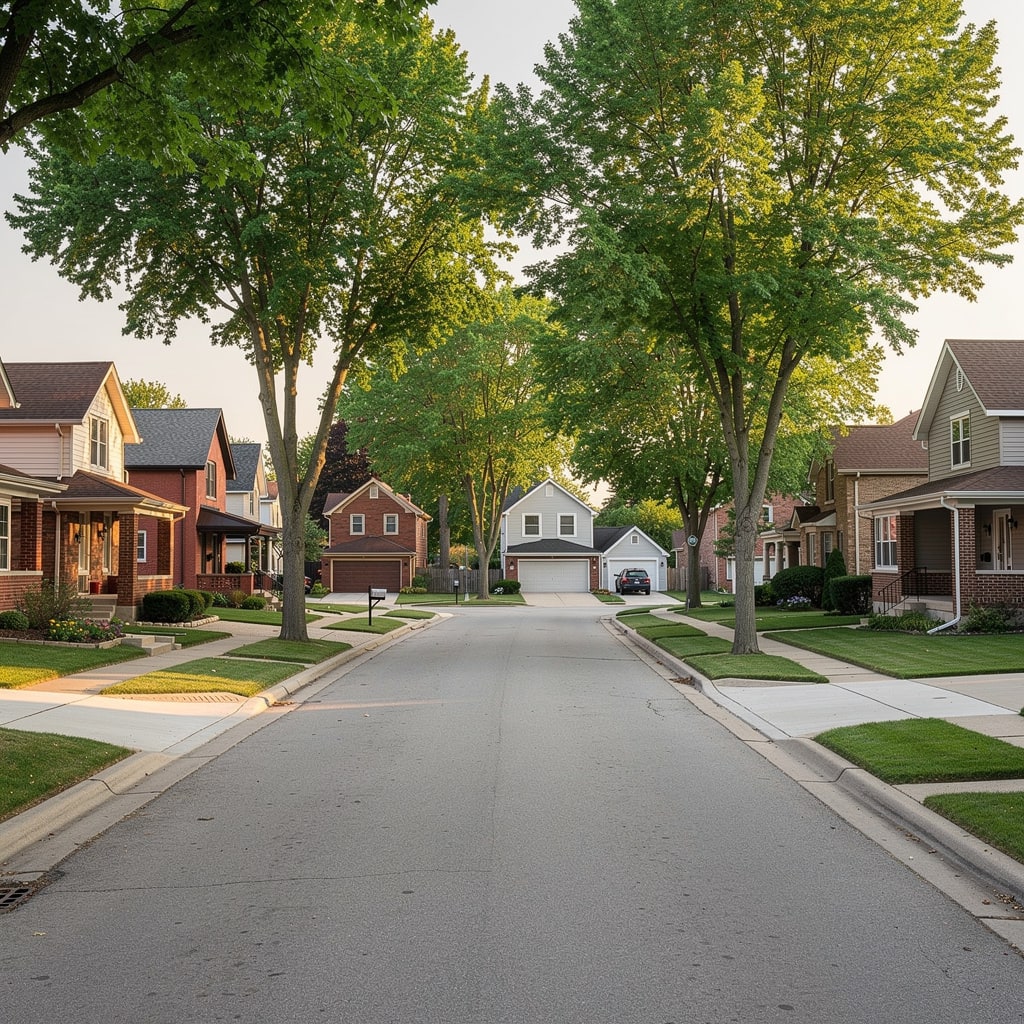
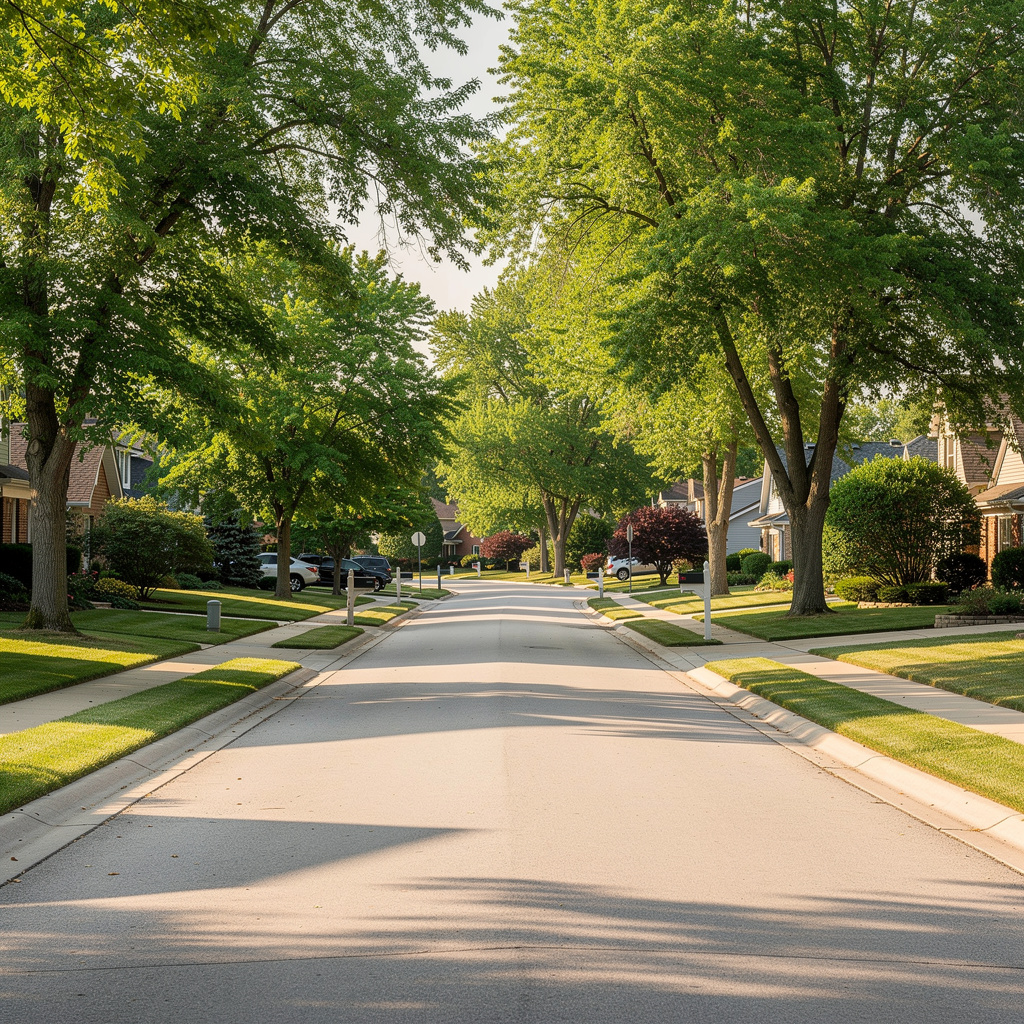
For many buyers, the feel of everyday life is the biggest difference between these two suburbs. In one direction, Park Ridge offers a classic, almost small‑town atmosphere with a central "village" area that anchors the community. Walkable streets, established trees, and a strong sense of local identity give it a polished, residential feel. The train station, library, and local gathering spots are tightly knit into a compact, easy‑to‑navigate core that supports a very "park the car and walk" kind of lifestyle for those close to the center.
Head slightly east and south and you land in Des Plaines, where the tone becomes more varied and pragmatic. Neighborhoods range from older, established blocks with bungalows and ranches to newer townhome developments and multifamily options. Instead of a single, concentrated hub, Des Plaines life tends to revolve around multiple pockets—residential areas near parks, commercial corridors, a commuter rail station, and larger community amenities. For some people, that mix feels more flexible and approachable, especially if you're juggling different commutes and priorities within one household.
When you think about your daily routine—commuting patterns, grocery runs, evening walks, and weekend errands—picture how much you want to do on foot versus by car. If you value a strong, cohesive "village" identity and tend to stick close to home, Park Ridge may have the edge. If you prefer a more spread‑out layout with a range of everyday conveniences and easier access to major roads like I‑294, Des Plaines often feels more straightforward and budget‑friendly.
Schools, Parks, and Community Resources
Families with school‑age children usually look closely at district boundaries before they ever step into a showing. The two suburbs intersect with several respected districts, and in some areas, you'll find that specific pockets of Des Plaines feed into schools associated with nearby suburbs, including parts of Maine Township districts that overlap both communities. That nuance is where working with a responsive, detail‑oriented agent becomes essential, because you don't just want "good ratings"—you want the right program fit, commute, and after‑school options for your child.
On the recreational side, both places offer plenty of green space, but the flavor differs. Park Ridge highlights beautifully maintained parks, playgrounds, and neighborhood fields that feel woven into residential life. Seasonal events, youth sports, and community activities often center around these shared outdoor spaces, reinforcing that cohesive, village‑like feel. Residents who enjoy walking to parks, letting kids bike to friends' houses, and taking evening strolls under mature trees often gravitate to this kind of environment.
Des Plaines provides a different but equally valuable range of recreational options, including larger park district complexes, athletic fields, and access to outdoor activities along the Des Plaines River and nearby forest preserves. That can appeal strongly to people who like variety—running trails one day, playground time the next, and perhaps a community fitness facility or pool as well. If your ideal weekend involves mixing nature time with quick errands and a movie or night out, the layout of Des Plaines' amenities supports that flexible, on‑the‑go lifestyle.
Regardless of which suburb feels more like "home," it's worth remembering that you're not choosing in isolation. Both communities are part of a broader Northwest suburban network, which means that sports leagues, extracurriculars, and social circles may spill across municipal lines. Your address matters, but how you use what's around you matters even more.
Housing Styles, Budgets, and Long‑Term Value
Real estate is where the contrast between Park Ridge and Des Plaines tends to sharpen. One suburb is widely perceived as the more "prestige" address, with higher price points, older housing stock, and a strong emphasis on single‑family homes on tree‑lined streets. The other typically offers a broader range of price brackets and property types—especially appealing if you're trying to stretch your purchasing power or prefer a townhome or condo lifestyle.
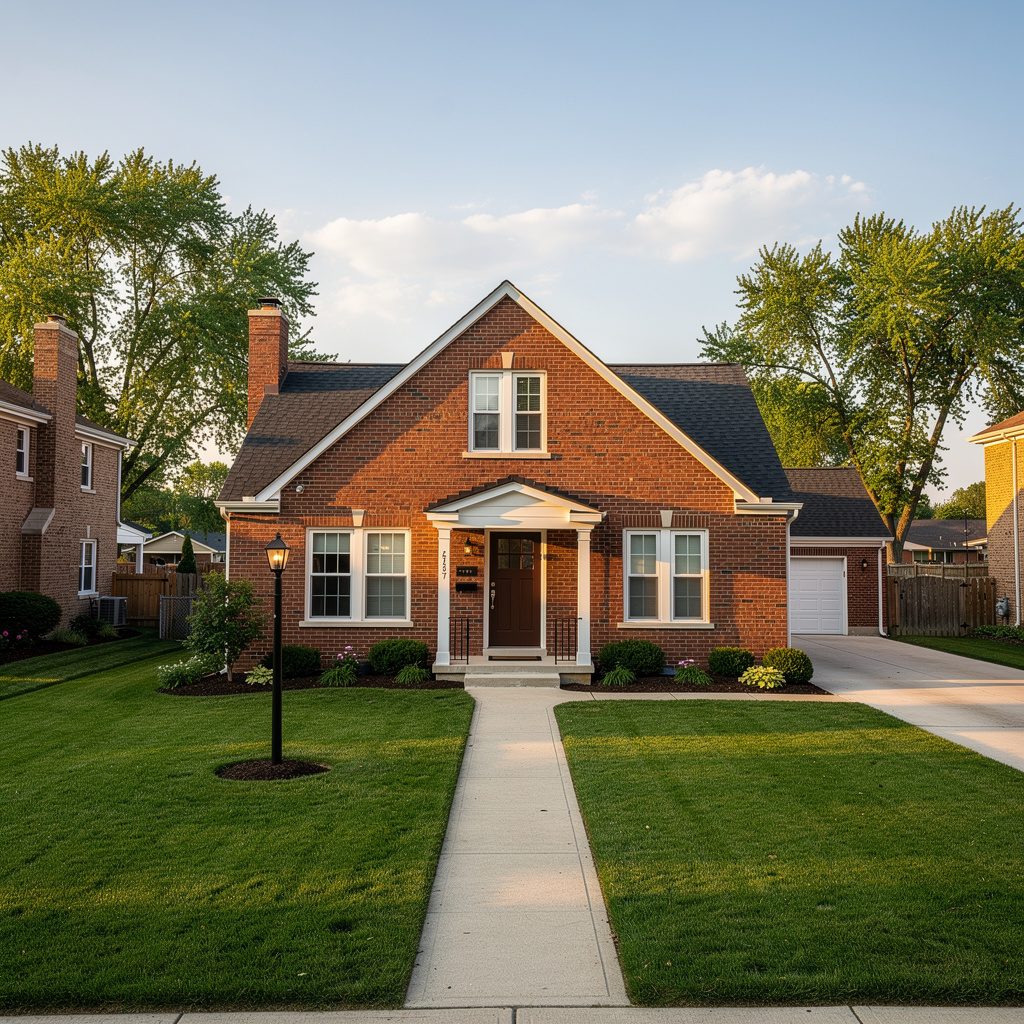
In Park Ridge, the housing inventory often leans toward well‑established homes with classic architecture—brick Georgians, colonials, and mid‑century houses that have been updated over time. Buyers who see their home as part of a longer‑term lifestyle statement and are willing to invest more upfront often feel drawn to this environment. At the same time, that character and stability can mean a tighter market, more competition, and higher expectations around condition and finishes.
By comparison, Des Plaines tends to deliver more options at a given budget. You'll find traditional single‑family homes, modest bungalows, post‑war ranches, townhomes, and condominium buildings that create a wider range of entry points for first‑time buyers or those downsizing. For clients who want to prioritize square footage, a shorter commute to certain job corridors, or the flexibility to renovate over time, this mix can be very attractive. The key is understanding how each neighborhood within Des Plaines is evolving and what that means for future resale value.
Working with an agent who treats this as a full‑time profession—not a side gig—matters here. Evaluating trends in both suburbs, comparing recent sales, and spotting opportunities in short sales or more complex situations can make the difference between getting "a home" and landing the one that truly advances your financial and lifestyle goals. With strong experience navigating short sales and non‑traditional transactions, Adam W. Smolen can help you weigh not only where you want to live, but how each purchase scenario sets you up for the next chapter.
Dining, Nightlife, and Everyday Errands
Food, entertainment, and errands might seem like small details, but they shape how your weeks actually feel. Park Ridge's core offers a cozy, community‑oriented atmosphere, with local gathering spots clustered near the train station and along key streets around the central district. That kind of setting tends to appeal if you enjoy recognizing familiar faces, frequenting a handful of favorite spots, and feeling a strong sense of neighborhood identity every time you head out.
Over in Des Plaines, things spread out a bit more, with multiple commercial corridors and a broader variety of everyday conveniences. Big‑box shopping, grocery options, fitness centers, and casual dining are generally easy to reach by car, which can simplify life for busy households. If your reality includes late‑night airport runs, shift work, or kids with practices scattered across the suburbs, that emphasis on road‑accessible convenience can quietly become a huge quality‑of‑life factor.
Think through your patterns: Are you the type who wants to walk to a weekend brunch spot and linger, or do you prioritize being able to grab what you need fast between obligations? Neither approach is right or wrong—the answer simply points you toward the suburb whose layout, parking, and traffic patterns match your energy level and schedule.

Commute, Travel, and Day‑to‑Day Logistics
Because both of these suburbs sit in the shadow of O'Hare, they score well on transportation, but the specifics still matter. Metra access, proximity to the Kennedy and Tri‑State, and the time it actually takes you to reach your workplace or frequent destinations can tip the scales. For some buyers, shaving ten minutes off the daily commute is worth more than the character of the block; for others, it's the reverse.
Parking, snow removal, and neighborhood traffic patterns also come into play. If you work irregular hours, travel frequently, or rely on multiple vehicles in your household, you'll want to pay attention to how easy it is to leave early, arrive late, and park without a daily headache. Touring homes with an agent who asks questions about your real schedule—not just your bedroom count—helps uncover these less obvious, but very real, quality‑of‑life issues.
That level of responsiveness is where the right agent becomes more like a strategic partner than just a door‑opener. When your questions are answered quickly, your concerns about routes, timing, and noise are taken seriously, and your showings are tailored to your commute reality, it becomes much easier to see whether Park Ridge or Des Plaines is quietly winning your day‑to‑day life test.
How to Decide Which Suburb Actually Fits Your Life
After all the online research and drive‑throughs, the most useful step is usually to spend intentional time in each suburb the way you'd actually live there. Try a mock weekday: drive (or take the train) as if you were commuting from Park Ridge, then do the same from Des Plaines. Run a couple of errands, grab a coffee or a quick bite, and pay attention to how the area feels at different times of day. Then return on a weekend and do it again—this time focusing on parks, recreational spaces, and how you might spend a Saturday afternoon.
Meanwhile, let your agent dig into the numbers: current inventory, price ranges, tax differences, and any short sale or value‑add opportunities that might put one suburb ahead of the other for your budget. A full‑time professional who's committed to responsiveness can quickly line up showings in both communities, so you're comparing real homes, not just hypothetical lifestyles. Often, it only takes a few thoughtfully chosen tours for one suburb to start feeling like "of course this is where we belong."
If you're debating between Park Ridge and Des Plaines—or weighing them alongside other Northwest suburbs—consider this your invitation to get clarity instead of more confusion. Reach out to Adam W. Smolen with RE/MAX All Star to talk through your daily routines, must‑haves, and long‑term plans. With local insight, short sale expertise, and a focus on real‑world lifestyle fit, you can move from endless comparing to confidently choosing the suburb that truly supports the way you live.